Zigbee Child Device Pairing
1. Overview
This document describes how to pair Zigbee child devices through the Device Pairing SDK (with UI) and Device Pairing SDK (without UI).
2. Prerequisites
- Complete preparation
- Complete environment build
- Complete Device Pairing SDK (with UI) or Device Pairing SDK (without UI) integration
3. Pairing
3.1 Introduction
Zigbee child device onboarding is mainly driven by the hub. The app only needs to call the cloud HTTP API to put the hub into pairing mode, so that surrounding Zigbee devices can be discovered, registered, and bound.
3.2 Device Pairing SDK (with UI)
3.2.1 Navigate to the pairing page for a specific device
Kotlin
LumiAccessSDKManager.getInstance().gotoAccessConfigModule(
    this,
    "lumi.gateway.agl008", // deviceModel; see the supported device list
    object : LumiResultCallBack {
        override fun fail(errorCode: Int?, errorMessage: String?) {
            // Pairing failed
        }

        override fun success(activity: WeakReference<Activity>, message: String?) {
            // Pairing succeeded. You can close the pairing page at an appropriate time:
            activity.get()?.finish()
        }
    }
)
Java
LumiAccessSDKManager.getInstance().gotoAccessConfigModule(
        this,
        "lumi.gateway.agl008",
        new LumiResultCallBack() {
            @Override
            public void fail(@Nullable Integer errorCode, @Nullable String errorMessage) {
                // Pairing failed
            }

            @Override
            public void success(@NonNull WeakReference<Activity> activity, @Nullable String message) {
                // Pairing succeeded. You can close the pairing page at an appropriate time:
                Activity page = activity.get();
                if (page != null) {
                    page.finish();
                }
            }
        }
);
Parameter description
| Field | Data type | Description | How to obtain |
|---|---|---|---|
| deviceModel | String | Device model value | See Device Pairing SDK Supported Device List |
3.3 Device Pairing SDK (without UI)
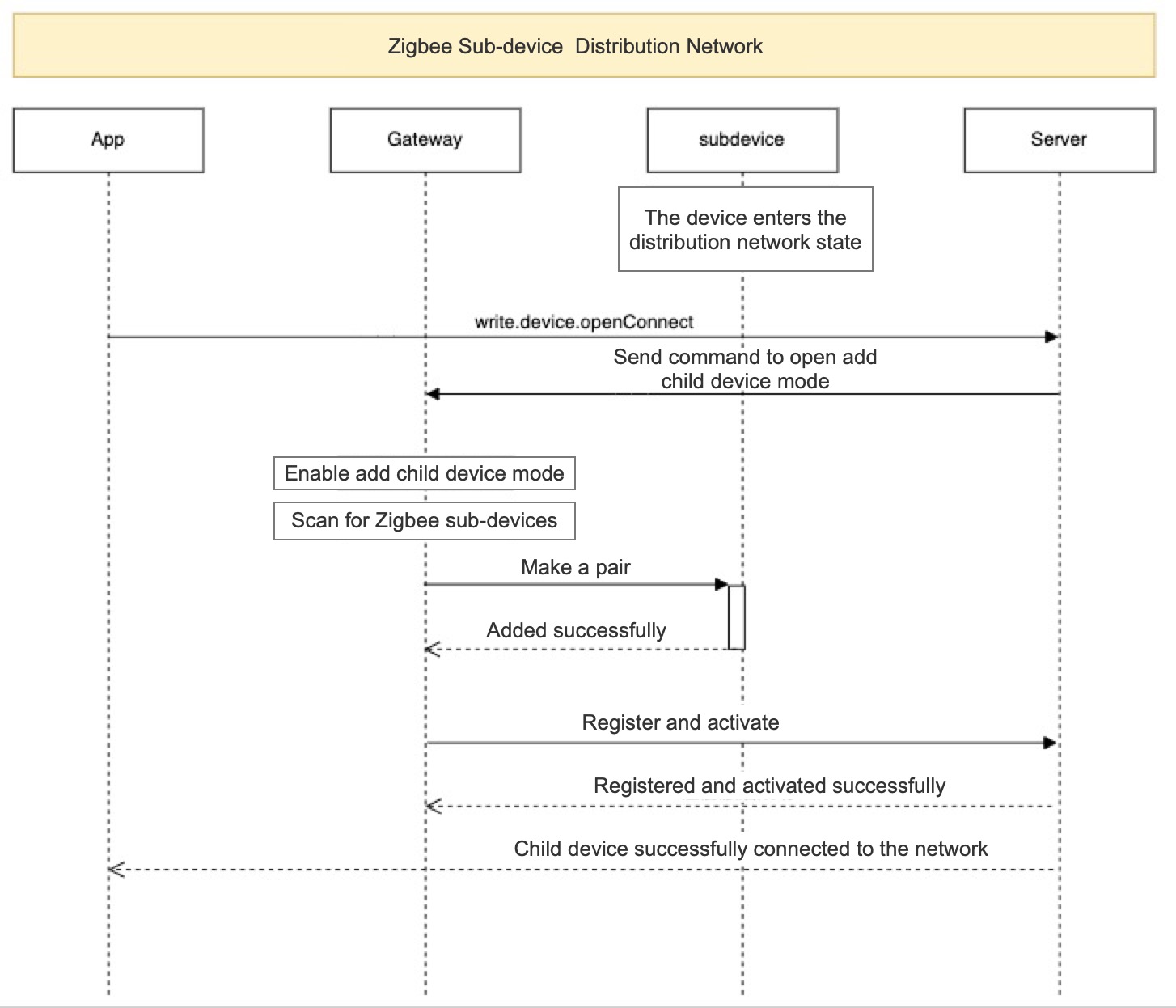
The third-party app must implement the API requests itself. For details, see Aqara Developer Platform